In high school, one of my favorite classes was photography. I still remember walking into Mr. Moorehouse’s class, seeing “World History Class” on the board and wondering if I was in the right classroom. When class started, he explained that photography is world history because it captures in a single frame, what some historians can take 3 pages to explain. It captures different moments from cultures around the world, life changing events, and even allows people to travel into the past.
The word photography roughly means to draw or paint with light. That’s what has been happening since about the 1800s. Pictures have given us a window in which we can see the world without having to leave our house or even the city. It gives us the reality in the world, well a little less so now with some of the photoshop techniques, but the idea remains the same.

The first camera that I learned the techniques for photography on was my mom’s Pentax; the kind that still needed film. In high school, film photography was still a big thing at the time. Personally, I’m glad that I learned on film first before moving more into digital. On a roll of film, if you loaded it correctly, you got 24 photos and if this was the only roll then it meant being mindful of what moments you captured. Lighting was also important, but there was still nighttime photography as well. Film taught me patience and to help reign in my naturally impulsive nature due to having ADHD. I loved it.

After taking the photos though, that was the hard part. Not only the waiting during the developing stage, but also making sure you didn’t accidentally expose the film before it had gone through all the steps. Only then, did you get to see if experimenting with the settings on the camera paid off to produce a viable negative. It was very rewarding, doing the whole process myself and seeing the results. Even in the dark room when I made my own prints, it was the best part of my day. There are so many techniques to use to make your print the way you like it and a little bit of “photoshop” that you can do as well by layering your negatives.
Both film and digital have their benefits. Moving the digital, I took what I learned from film with me and it feels like it improved the quality of my photos. I noticed some students in one of my classes sat and sifted through, what looked like, 500+ photos for an assignment while I had around 100. The most valuable lesson I learned from one of my classes is letting the camera do the work. I have a Nikon D5600 and I learned to use the setting so there’s very little touch up to do, if at all, when I get it on to my computer. It was a little mind boggling at first because I wondered why it didn’t click sooner, but since then I’ve even brought that over to the photos I take on my phone.
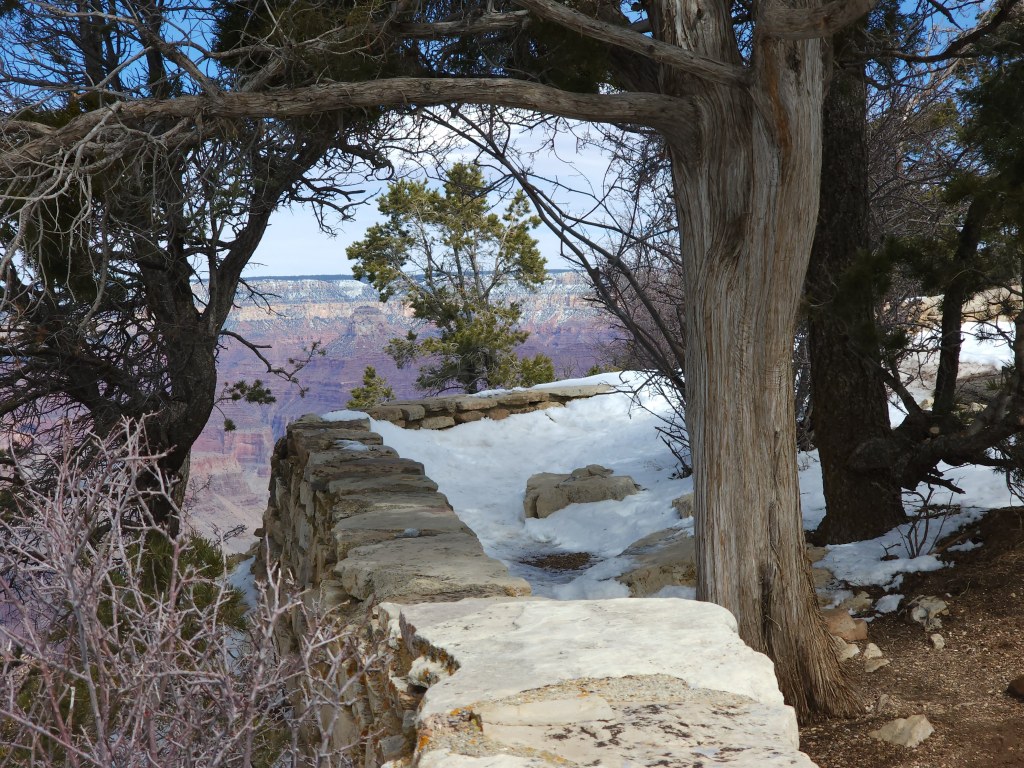
There’s still some friendly squabbles in the community over which digital camera is better, but if you’re one of those unable to decide and afraid you’ll make the wrong decision, here’s a little bit of advice. It’s not the camera, it’s the person behind the camera. You don’t need the fanciest piece of equipment like a DSLR (digital single lens reflex), buy a simple camera for under $100 and start experimenting. It’s the best and most rewarding way to learn because you get to find your style rather than feel like you’re copying someone else. Find your own view of the world to photograph.
If you’re curious about seeing more of my photographs, check out my Instagram and give a follow. Until next time, safe exploring everyone!

 Ann Marie Explores
Leave a comment